Water bill spiked with no visible leak
We run a full pressure test and thermal scan to find the loss point. Most hidden bill-spike leaks are toilet flappers, slab leaks, or pinhole supply leaks. We confirm with two tools before quoting any repair.
Residential Leak Detection in Pontaic starts with a real diagnosis, not guesswork. We use thermal imaging cameras and acoustic listening gear to pinpoint hidden leaks behind walls, under slabs, and inside pipe chases across Pontiac homes. Whether your water bill jumped or a ceiling stain appeared overnight, our licensed plumbers trace the source, stop the damage, and hand you a written repair plan the same day.

Residential Leak Detection in Pontaic is the process of finding where water, gas, or sewer lines are losing pressure inside a home without tearing the place apart. We start with a pressure testing kit on the main line, then sweep rooms with a Fluke thermal imaging camera and an acoustic leak detection device to hear water moving where it shouldn't. A moisture meter confirms the wet zone, and a video pipe inspection camera checks drains for root intrusion or cracked PVC. Most homes get a full diagnosis in 60 to 90 minutes.
Pontiac's housing stock makes this work specific. Century-old homes near Downtown Pontiac still run copper pipe that has pitted from decades of hard water, while mid-century ranches on slab foundations hide leaks under concrete. When a homeowner searches for residential leak detection in Pontiac Michigan near me after a spike in their water bill, we usually find the culprit within the first hour. Winter freeze-thaw cycles between December and March crack supply lines in unheated crawl spaces, and spring rains push groundwater against basement walls.
Every detection visit covers a full diagnostic sweep of your home's water, drain, and gas systems. Repair work is quoted separately after we confirm the leak, so you only pay for the fix you actually need.
We isolate and pressurize the main supply line with a pressure testing kit to determine whether the leak is on the supply side or the drain side. This step takes 15 to 20 minutes and directs the rest of the diagnostic.
A Fluke thermal imaging camera sweeps walls, floors, and ceilings to find temperature anomalies caused by escaping water. We scan every room and confirm hot spots with a moisture meter before moving on.
Acoustic leak detection equipment picks up the sound of pressurized water escaping a pipe behind walls or under slabs. We use it to narrow the leak to within a few inches, so any access cut is small and targeted.
For drain-side leaks, a video pipe inspection camera shows root intrusion, cracked PVC, or blockages in real time. You watch the screen with us and see exactly what we see. No guesswork on drain repairs.
After detection, we hand you a written plan with the leak location, the repair method, and an itemized price. You decide whether to proceed. No pressure, no same-day-only discounts, no hidden fees.
You call and describe what you are seeing: a spike in the water bill, a warm spot on the floor, a stain on the ceiling, or the sound of running water with everything off. We ask a few targeted questions, then book a same-day or emergency slot. Most calls get a technician on site within 90 minutes.
We isolate the main supply line and pressurize it with a pressure testing kit. If pressure drops with all fixtures closed, we know the leak is on the supply side. If it holds, we move to the drain and sewer side. This step takes 15 to 20 minutes and tells us which half of the system to focus on.
We sweep the home with a Fluke thermal imaging camera to spot temperature anomalies behind walls and under floors, then confirm with acoustic leak detection equipment that picks up the sound of pressurized water escaping a pipe. A moisture meter maps the wet zone. This is where we narrow the leak to a few square inches.
For slab leaks we use a pipe locator and, when needed, a tracer gas leak detector to confirm the exact path of the line. For drain issues, a video pipe inspection camera shows root intrusion, cracks, or blockages in real time. You see the screen with us. No guessing, no opening walls on a hunch.
We hand you a written plan: what is leaking, where, what the repair involves, and what it costs. Most supply-line repairs take two to four hours. Slab leaks and underground pipe leaks may run a full day. We fix it, re-test the line, and confirm zero pressure loss before we pack up.
Purpose-built equipment, used by trained technicians — so the job is done accurately the first time.
Detects temperature differences behind walls and under floors caused by escaping water. We use it to scan every room and confirm hot spots with a moisture meter.
Listens for the sound of pressurized water escaping a pipe. It narrows the leak to within a few inches, which keeps access cuts small and targeted.
Isolates and pressurizes the main supply line to determine whether the leak is on the supply side or the drain side. This directs the rest of the diagnostic.
Shows root intrusion, cracked PVC, and blockages inside drain lines in real time. You watch the screen with us, so there is no guesswork.
Confirms the exact path of underground and slab lines when acoustic and thermal tools need a second confirmation. Used on the hardest-to-find leaks.
Maps the wet zone and confirms the boundary of water damage. We use it before and after repair to verify the area is drying correctly.
A homeowner in Downtown Pontiac noticed a $90 jump in their water bill and a faint musty smell near the kitchen. No visible water. A previous plumber wanted to open the entire wall to look for the leak.
We ran a pressure test, confirmed a supply-side leak, and used thermal imaging to narrow it to a 6-inch section behind the kitchen backsplash. We cut a small access hole, replaced the pitted copper section with new copper pipe, and re-tested. Total repair time: three hours.
A homeowner in Pontiac Central felt a warm spot on the bathroom tile for weeks. The water bill was up $70 a month. They feared a full floor demolition and a week of displacement.
We used a pipe locator and acoustic gear to pinpoint the hot water slab leak within a few inches. We removed a 2-foot section of tile and concrete, repaired the line, and re-poured. The whole job was done in one day, and the water bill returned to normal the next cycle.
A rental property near Oak Hill had slow drains throughout the house and a sewer smell in the basement. The landlord had already paid for two drain snakings that only worked for a few weeks.
We ran a video pipe inspection camera down the lateral and found a root mass at a cracked joint 18 feet from the house. We quoted a spot repair, replaced the cracked clay section with PVC pipe, and re-tested with the camera. Drains have been clear for over a year.
These are the calls we get most often from Pontiac homeowners. Each one has a specific diagnostic path and a specific fix.
Ask a pro →We run a full pressure test and thermal scan to find the loss point. Most hidden bill-spike leaks are toilet flappers, slab leaks, or pinhole supply leaks. We confirm with two tools before quoting any repair.
We use a pipe locator and acoustic gear to pinpoint the break, then repair the line with minimal concrete removal. Most Pontiac slab leaks are fixed in a single day, and we re-test the line before we leave.
We scan with thermal imaging to trace the water back to its source, which is often a supply line or drain joint one or two rooms away. We fix the leak, then you can repair the drywall with confidence.
We run a video pipe inspection camera down the line to see the break or root mass. Then we quote the repair, whether that is a spot fix, a liner, or a section replacement, with the footage as proof.
$180 - $450 for detection; $250 - $2,800 for repair depending on scope
Residential leak detection in Pontiac runs $180 to $450 for the diagnostic visit in 2026, depending on how many systems we test and how deep the leak is hiding. Slab leak detection with tracer gas or pipe locator equipment sits at the higher end. The diagnostic fee is credited toward the repair if you hire us to fix the leak. Repair costs are separate and quoted in writing after we confirm the leak. We do not pad invoices, and we do not charge for a return trip on a repair we warrantied.
The diagnostic fee is the cheapest part of the job. Finding the leak correctly the first time prevents unnecessary demolition, repeat visits, and the kind of water damage that turns a $400 repair into a $6,000 insurance claim. We credit the diagnostic fee toward the repair, so you are never paying twice for the same answer.
A single supply-line leak is faster to find than a home with both a supply leak and a drain issue. Each additional system adds 20 to 30 minutes of diagnostic time and a modest fee increase.
A visible supply leak under a sink is quick. A slab leak under 4 inches of concrete takes longer and requires a pipe locator and tracer gas. Location is the single biggest cost driver.
Crawl spaces, finished basements, and homes with limited attic access slow the diagnostic. We quote the access work upfront so there are no surprises on the invoice.
A pinhole copper repair is a two-hour job. A slab leak repair or a sewer lateral section replacement can run a full day. We itemize parts and labor so you see exactly what you are paying for.
Most residential leak detection visits in Pontiac run $180 to $450 in 2026, depending on how many systems we test and how deep the leak is hiding. Slab leak detection with tracer gas or pipe locator equipment sits at the higher end. The diagnostic fee is credited toward the repair if you hire us to fix the leak the same visit.
The top four causes we see are pitted copper supply lines in pre-1960 homes, failed pipe fittings and solder joints, root intrusion in clay sewer laterals, and freeze-thaw cracks in unheated crawl spaces. Hard Pontiac water accelerates scale buildup inside pipes, which raises pressure and eventually splits the metal. Toilet flappers and water heater fittings round out the list.
You can catch the obvious ones. Shut every fixture, watch your water meter for 15 minutes, and if the dial moves, you have a leak. You can also drop leak detection dye in toilet tanks to check flappers. But hidden slab leaks, underground pipe leaks, and in-wall supply leaks need thermal imaging and acoustic gear. That is when you call a pro.
Most Michigan policies cover the resulting water damage and the access needed to reach a hidden leak, but not the detection fee itself or the pipe repair. If the leak was sudden and accidental, you are usually covered for drywall, flooring, and remediation. We provide itemized documentation and photos to support your claim.
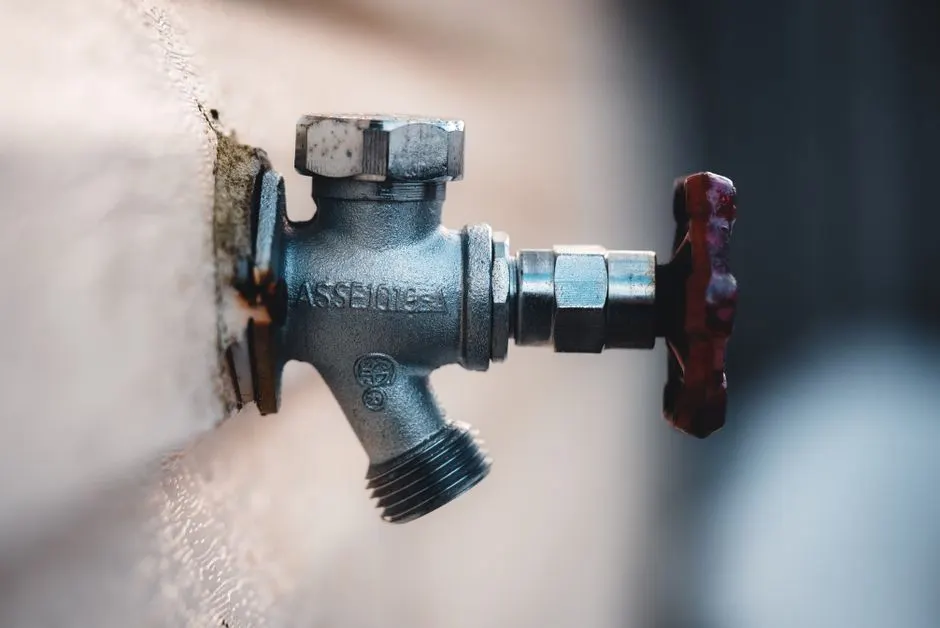 Commercial Leak DetectionThe same diagnostic tools we use in homes scale up to commercial buildings in Pontiac. If you manage a rental property or small business, our commercial leak detection service handles larger supply lines, boiler systems, and multi-unit plumbing with the same non-invasive approach.Explore →
 Water Leak DetectionWater leak detection is the broader category that includes everything from a dripping faucet to a main line break. When your residential leak turns out to be a municipal-side issue or a shared supply problem, we coordinate with the city and handle the private-side repair.Explore →
 Gas Leak DetectionIf you smell gas or your carbon monoxide detector goes off, that is a different call. Our gas leak detection service uses tracer gas and electronic detectors to find leaks in gas lines, fittings, and appliances. Same licensed technicians, same 24/7 response, different safety protocol.Explore →
 Slab Leak DetectionSlab leaks are the hardest residential leaks to find because the pipe is buried under concrete. We use pipe locators, acoustic gear, and thermal imaging to pinpoint the break, then repair with minimal concrete removal. Most Pontiac slab leaks are fixed in a single day.Explore →
Water is not going to stop while you think about it. Call Leak Fix Pros and we will send a licensed plumber with thermal imaging and acoustic gear to find the leak, confirm it, and give you a written repair plan. Same-day and 24/7 emergency service across Pontiac.
Book Leak Detection 2487495329 →Call 248-749-5329 any time, day or night. A live person answers, takes your address, and tells you the arrival window. For non-emergency work, we book same-day and next-day slots across Downtown Pontiac and Pontiac Central. If you would rather email, send the details to info@leakfixpros.com and we will call you back within the hour during business hours.